Wendy Washington · 16 September 2026
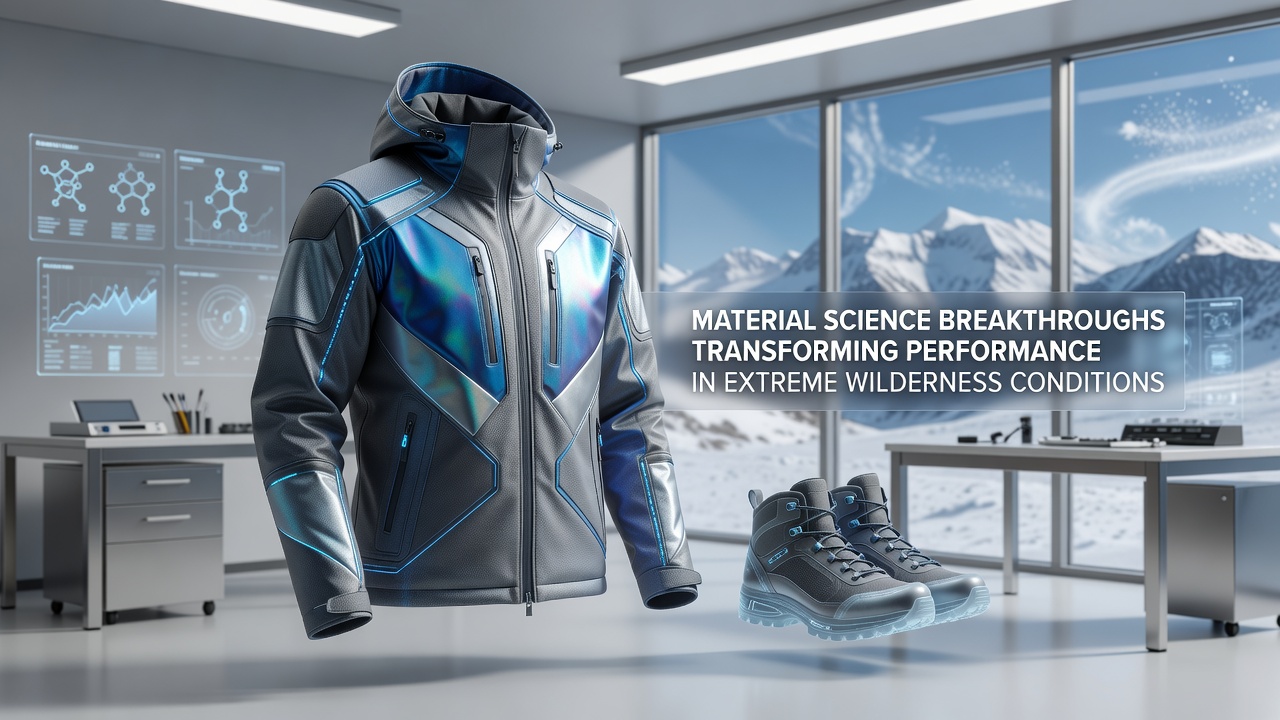
Material Science Breakthroughs Transforming Performance in Extreme Wilderness Conditions
Researchers across multiple continents have developed new classes of materials that withstand the demands of polar expeditions, high-altitude ascents, and arid desert traverses where traditional equipment often fails, and these innovations continue to evolve as testing protocols become more rigorous. Data from field trials conducted through September 2026 show measurable gains in thermal retention, weight reduction, and durability across layered garments, shelter fabrics, and load-bearing components.
Advanced Insulation Systems for Subzero Environments
Scientists at institutions including the Commonwealth Scientific and Industrial Research Organisation have refined aerogel-infused textiles that trap air pockets at the nanoscale while maintaining flexibility, and these composites deliver insulation values previously achievable only with bulky synthetic fills. Field reports from Antarctic research teams document sustained core temperature stability during multi-day traverses where wind speeds exceeded 80 kilometers per hour, and the same materials exhibit lower moisture absorption rates than conventional down or polyester battings.
Phase-change microcapsules embedded within fiber matrices absorb and release heat at precise temperature thresholds, which allows garments to adapt without external power sources. Studies published by the National Renewable Energy Laboratory indicate that jackets incorporating these capsules reduce the need for multiple layering systems by approximately 30 percent in controlled cold-chamber tests, and similar performance appears in prototype sleeping bags now undergoing evaluation by alpine rescue organizations.
Waterproof Membranes and Abrasion-Resistant Coatings
Graphene oxide laminates applied to nylon and polyester substrates create barriers that block liquid water while permitting vapor transmission at rates exceeding earlier fluoropolymer membranes, and researchers note improved longevity after repeated flex cycles in abrasive environments. Expeditions in the Canadian Rockies have logged equipment performance across seasons, revealing fewer delamination failures compared with prior-generation shells exposed to the same freeze-thaw cycles.
Self-healing polymer networks integrated into boot uppers and pack fabrics close micro-tears autonomously when exposed to moderate heat from sunlight or body temperature, and laboratory abrasion tests conducted at European materials institutes demonstrate extended service life under simulated glacial silt conditions. These developments reduce the frequency of field repairs during extended trips through remote terrain.
Lightweight Structural Composites for Shelter and Load-Carrying Gear
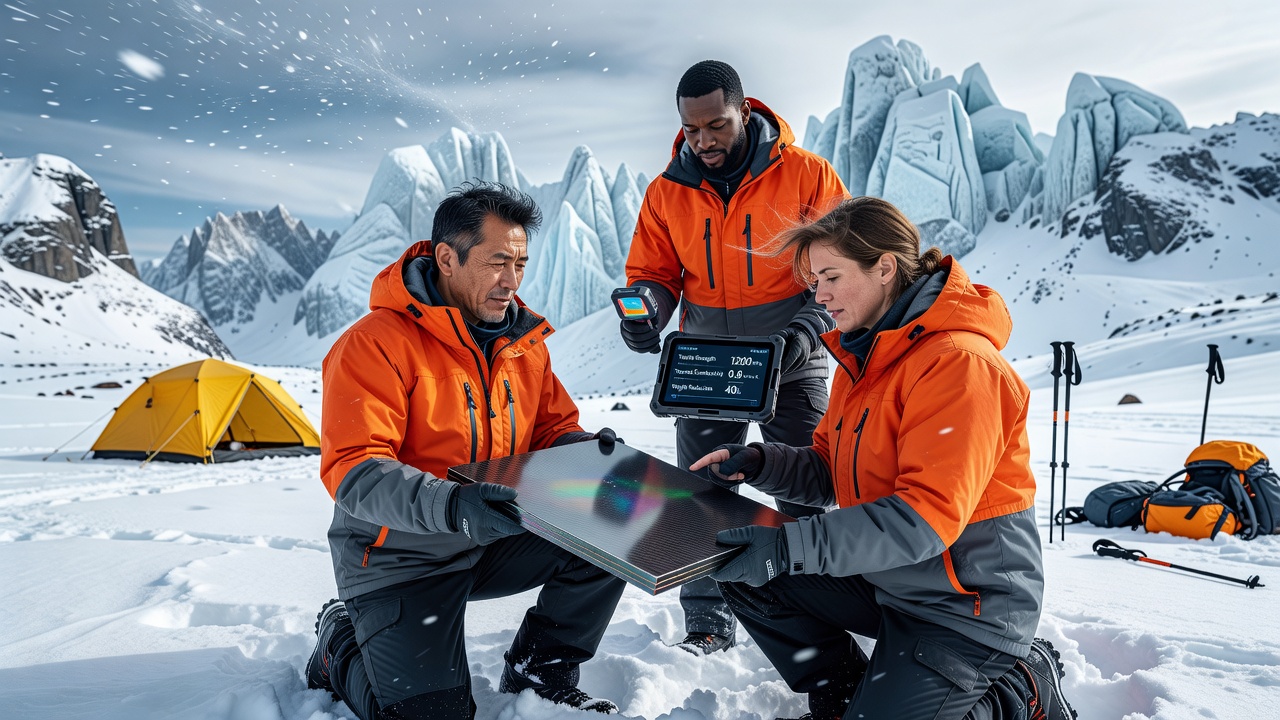
Carbon nanotube-reinforced resins now appear in tent poles and trekking pole shafts that offer higher tensile strength at reduced diameters, and comparative data collected by university engineering departments show weight savings of up to 25 percent without loss of stiffness under gust loads. Tents constructed with these elements have withstood recorded wind events in the Scottish Highlands during autumn 2025 trials while maintaining internal volume and ease of setup.
Shape-memory alloys integrated into frame components allow structures to recover original geometry after deformation caused by snow loading or impact, and prototypes evaluated by search-and-rescue teams in Norway demonstrate faster redeployment times in subzero conditions. Such materials also appear in crampon attachment systems that flex with boot movement yet retain rigidity where traction is required.
Bio-Inspired Surfaces and Sensor-Integrated Textiles
Researchers have replicated the hierarchical surface structures found on certain desert beetles to create fabrics that direct condensation away from the wearer, and early deployments in arid-zone training exercises indicate reduced heat stress during daytime marches. Concurrent work on embedded microfiber sensors tracks fabric strain and moisture levels in real time, transmitting data to handheld devices for route adjustments before conditions become critical.
These sensor networks draw power from body-motion piezoelectric elements, eliminating battery weight in multi-week traverses. Observers at collaborative field sites across Australia and Alaska report consistent data accuracy across temperature ranges from minus 40 to plus 50 degrees Celsius, supporting more precise decisions about when to seek shelter or alter pace.
Conclusion
Collective progress in polymer chemistry, nanoscale engineering, and composite manufacturing continues to expand the operational envelope for equipment used in extreme wilderness settings, and ongoing trials through late 2026 will determine how quickly these technologies reach commercial production. The integration of multiple material advances within single products yields cumulative performance gains that allow longer, safer exposure to environments once considered marginal for human activity.