Katja Jung · 30 September 2026
Examining Repair Networks and Their Role in Extending the Life of Trekking Equipment
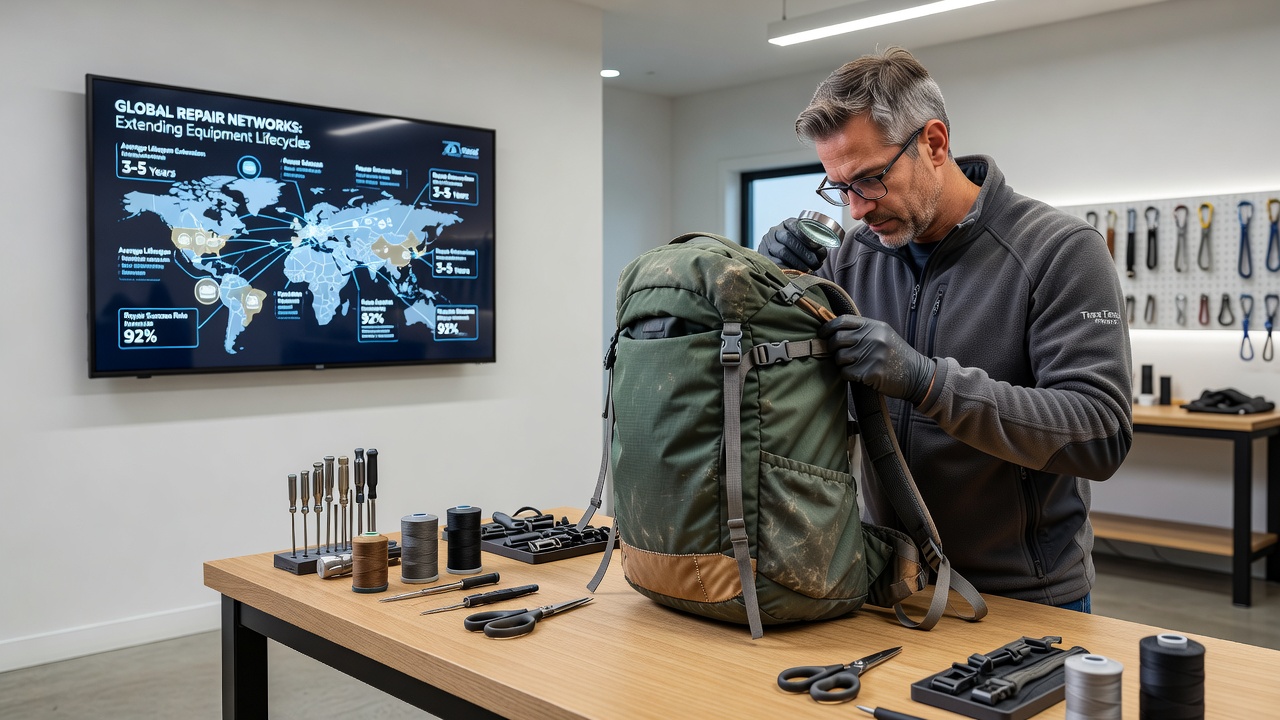
Repair networks consist of manufacturer programs, independent shops, community workshops, and online platforms that coordinate maintenance services for items such as backpacks, tents, boots, and trekking poles. These systems operate across multiple regions and connect users with technicians trained in seam sealing, zipper replacement, fabric patching, and frame realignment. Data from industry reports indicate that such networks handle thousands of repairs annually, with participation rates rising steadily since the early 2020s.
Structure of Modern Repair Networks
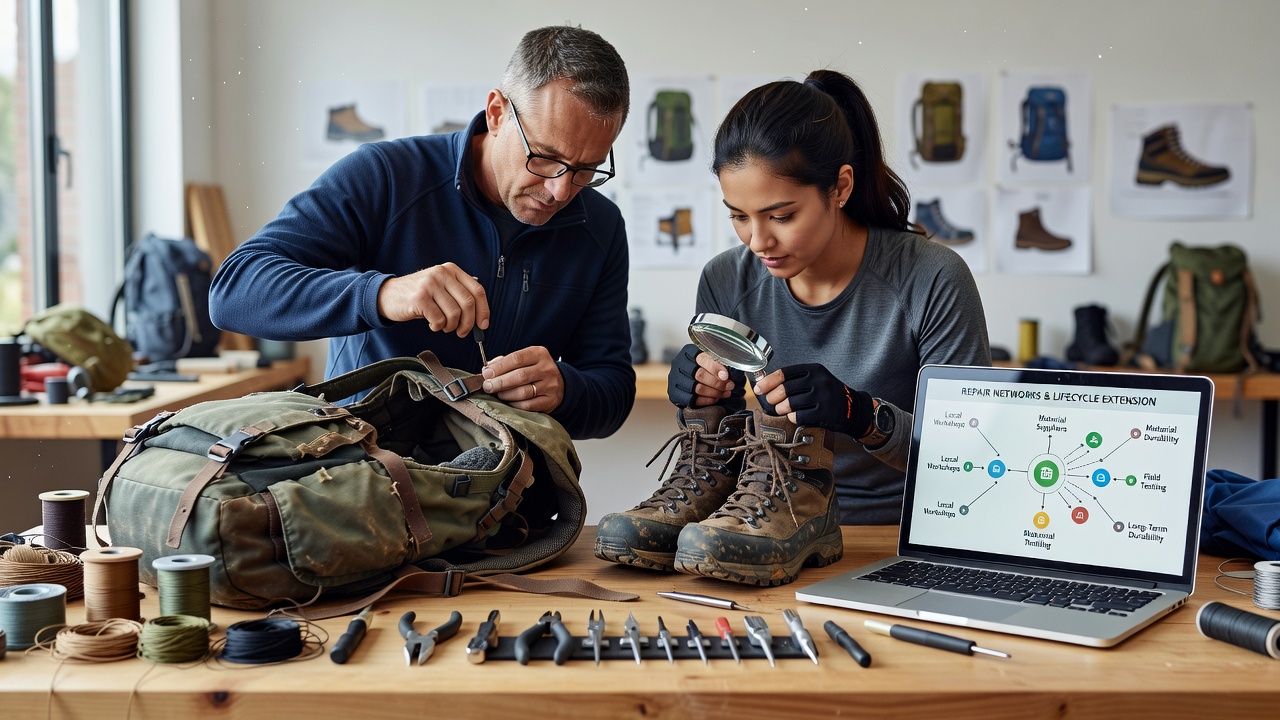
Manufacturers including those in the outdoor sector maintain dedicated service centers that accept equipment shipped from any location, while regional hubs in North America and Europe partner with certified local technicians to reduce turnaround times. Community-based initiatives coordinate volunteer experts who teach basic fixes at periodic events, and digital directories list verified providers by geographic area. Observers note that integration between these layers creates a distributed system where a damaged item might receive initial assessment online before routing to the nearest facility equipped for the required work.
Impact on Equipment Longevity
Studies conducted by research institutions show that repaired trekking gear often returns to service for additional seasons, with boots resoled through authorized channels lasting up to twice the cycles of unrepaired counterparts. Fabric treatments applied during maintenance restore water resistance, while structural reinforcements prevent further degradation under load. Figures from sustainability analyses reveal measurable reductions in replacement purchases when users access these services promptly, which in turn decreases demand for raw material extraction and manufacturing energy inputs.
Environmental and Resource Data
According to reports from the European Environment Agency, extending product life through repair cuts textile waste volumes by significant percentages in categories such as outdoor apparel and equipment. One analysis of supply chain metrics found that each repaired backpack avoids approximately several kilograms of landfill contribution, while collective efforts across networks correlate with lower overall carbon emissions from production cycles. Researchers at universities in Canada and Australia have tracked similar patterns, documenting how localized repair reduces transportation footprints compared with full replacements sourced internationally.
What's interesting here involves the timing of interventions, because early repairs on stress points such as shoulder straps or tent poles prevent cascading failures that render entire units unusable. Technicians report that items arriving with minor issues require fewer parts and less labor than those left unattended, which supports higher throughput across the network.
Operational Examples Across Regions
Take one program operated by a major outdoor retailer that processes equipment returns through a centralized facility before redistributing repaired units or components. Another model appears in Scandinavian countries where municipal centers collaborate with equipment brands to offer subsidized fixes for residents, and data from these operations indicate participation rates above average compared with purely commercial alternatives. In the Asia-Pacific region, emerging networks combine mobile repair units with fixed locations to serve remote trekking communities, while North American examples emphasize certification standards that ensure consistent quality across partner shops.
Those who've studied participation trends observe that users who receive clear instructions on drop-off procedures or shipping protocols tend to engage more frequently, which sustains steady workflow for technicians. September 2026 marks the scheduled rollout of expanded digital tracking tools in several European networks, allowing real-time status updates that further streamline coordination between senders and repair sites.
Challenges and Adaptations
Supply chain constraints for specialized parts occasionally extend wait times, yet networks adapt by maintaining inventories of common components and developing compatible alternatives where original stock runs low. Training programs address skill gaps by certifying new technicians through standardized curricula that cover both traditional materials and newer composites found in contemporary trekking products. Cost structures vary, with some services offered at fixed rates while others scale according to complexity, and economic studies show that these arrangements frequently deliver net savings when compared against repeated full purchases over a multi-year span.
Conclusion
Repair networks continue to evolve through partnerships among manufacturers, local providers, and community organizations, delivering documented extensions in the service life of trekking equipment. Evidence compiled from multiple geographic sources confirms reductions in material throughput and waste generation when these systems operate at scale. Ongoing adaptations in logistics, training, and technology support wider access, which sustains equipment functionality across diverse user groups and environments.